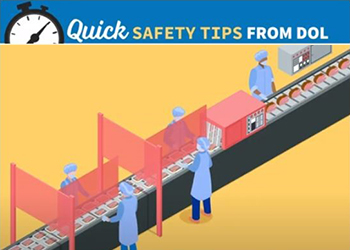
 A new animated video provides quick tips on the proper stationing of workplaces with assembly lines and processing conveyors to keep workers safe from COVID-19.

Center for Public Health Workforce Development eNews
Monday, May 25, 2020
COVID-19 Quick Tips Video
A new animated video provides quick tips on the proper stationing of workplaces with assembly lines and processing conveyors to keep workers safe from COVID-19.

COVID-19: Enforcement Guidanc
COVID-19: Respirator Use
OSHA released a new video and poster (available in English and Spanish) with step-by-step instructions on how to properly wear and remove a respirator.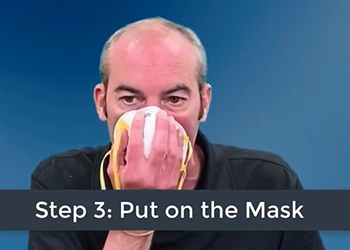
Monday, February 24, 2020
The 7th annual National Safety Stand-Down to prevent falls
 Falls remain the leading cause of death for construction workers. The National Campaign to Prevent
Falls in Construction was created in 2012 in order to address the hazard, and The Stand-Down event
was added in 2014. The goal of the Stand-Down is to draw attention to the severity of fall hazards and
importance of preventing them. This nation-wide weeklong event is an opportunity for employers to
pause work and have conversations with workers about fall hazards, protective methods, and their
company’s safety policies, goals and expectations. Please visit https://www.osha.gov/StopFallsStandDown
Coronavirus Protection
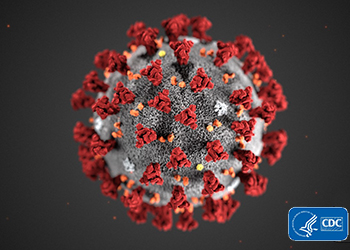 OSHA’s new webpage focuses on protecting workers from exposure to the novel coronavirus.
This webpage provides information for workers and employers about the evolving coronavirus outbreak first identified in Wuhan City, Hubei Province, China. The information includes links to interim guidance and other resources for preventing exposures to, and infection with, the novel coronavirus—now officially named COVID-19.
Learn how to keep workers safe at grain handling facilities with OSHA resources
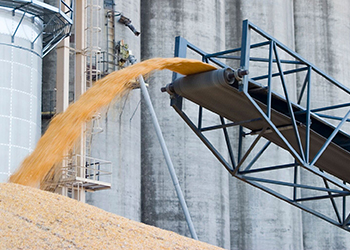 Learn how to keep workers safe at grain handling facilities with OSHA resources.
OSHA has developed a webpage to provide workers, employers, and safety and health professionals useful, up-to-date safety and health information on grain handling facilities.
OSHA updates emphasis program to better protect workers from silica exposure.
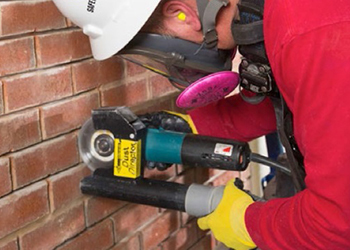 OSHA updates emphasis program to better protect workers from silica exposure.This Instruction describes policies and procedures for implementing a
National Emphasis Program (NEP) to identify and reduce or eliminate
worker exposures to respirable crystalline silica (RCS) in general
industry, maritime, and construction. The NEP targets specific
industries expected to have the highest exposures to RCS.
Sunday, February 23, 2020
Grease Trap Hazards
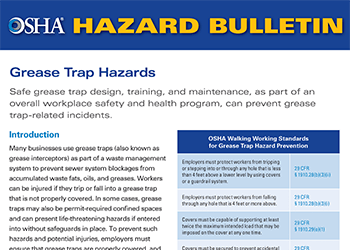 Read OSHA’s new bulletin on how to properly cover grease traps to prevent workers from tripping or falling into them.
Tuesday, January 21, 2020
Course dates announced: Managing & Controlling Hazards Associated with Cranes, Derricks, and Hoisting

Rutgers School of Public Health - Center for Public Health Workforce Development is offering free "Managing & Controlling Hazards Associated with Cranes, Derricks, and Hoisting" training courses in Somerset, New Jersey, as part of the OSHA Susan Harwood Training. The trainer for these courses will be Michael Presutti.
Almost all construction worksites in large urban areas require cranes, derrick, and hoisting equipment. Lifting operations are among the most critical operations on a construction worksite and require comprehensive planning as errors will lead to tragedy. This program will guide trainees through the fundamental hazards associated with cranes, derricks, and hoisting activities and their hazard controls.
Almost all construction worksites in large urban areas require cranes, derrick, and hoisting equipment. Lifting operations are among the most critical operations on a construction worksite and require comprehensive planning as errors will lead to tragedy. This program will guide trainees through the fundamental hazards associated with cranes, derricks, and hoisting activities and their hazard controls.
View brochure (.pdf)
Subscribe to:
Posts (Atom)