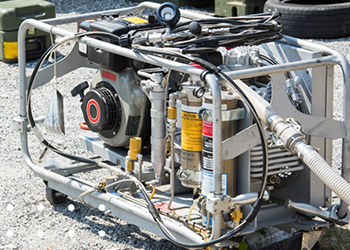
When winter weather causes power outages, employers must protect workers from carbon monoxide exposure from portable generators.

Center for Public Health Workforce Development eNews
When winter weather causes power outages, employers must protect workers from carbon monoxide exposure from portable generators.

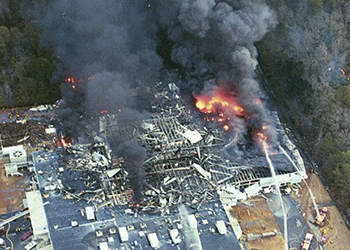
OSHA revised its national emphasis program to inspect facilities that generate or handle combustible dusts likely to cause fire and explosion hazards.

Download the Managing Electrical Hazards flyer for more information.

OSHA is seeking small business representatives to discuss a potential standard for the prevention of workplace violence in healthcare and social assistance. Visit the webpage to learn more.

Most commercial buildings have greater electrical demand, with higher voltages and multi-phased electrical services that require constant maintenance. Exposure to hazardous electrical energy may result in burns, shocks, fires, indirect fall and severe injury leading to death. This training will expand knowledge of identifying, avoiding, and controlling electrical hazards using best practices from NFPA 70E and applicable construction and general industry standards.
Topics Covered
Who should attend
Safety and health trainers, managers, and supervisors who are responsible for protecting workers from electrical hazards on worksites
Venue:
Synchronous training through Zoom.
Instructor: Mike Presutti
No registration fee
Register for Managing Electrical Hazards for Construction and General Industry

The 2023 Rutgers School of Public Health Center for Public Health Workforce Development course catalog is available for download (updated link). Students may enroll for courses online by visiting https://rutgerstraining.sph.rutgers.edu or by contacting the registrar at (732) 235-9450

Find more safety resources on OSHA’s publications webpage.
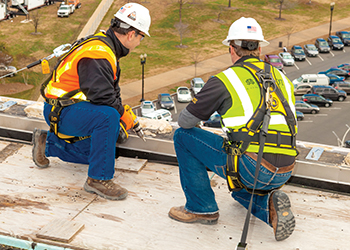
The next annual National Safety Stand-Down to Prevent Falls will be held May 1-5, 2023. Visit the campaign webpage for updates. Do your part to prevent every workplace fall hazard!
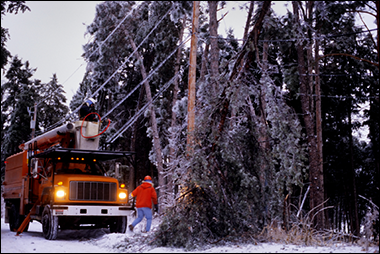
Employers have a responsibility to provide working conditions that are free from recognized hazards, including those related to winter weather. These hazards include slippery roads and working surfaces, strong winds and low temperatures that can lead to cold stress conditions such as hypothermia. To protect the safety and health of workers whose jobs expose them to these hazards, employers should:
For more information, visit OSHA's Winter Weather webpage.