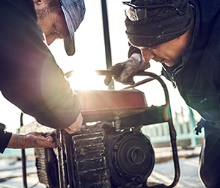
 Portable generators are internal combustion engines used to generate electricity when temporary or remote power is needed. OSHA's portable generator fact sheet focuses on how to protect workers from hazards associated with the use of this equipment. These hazards include exposure to carbon monoxide from a generator's exhaust, shocks and electrocution, and fires from ignited generator fuel.

Center for Public Health Workforce Development eNews
Friday, February 22, 2019
Working Safely with Portable Generators
Portable generators are internal combustion engines used to generate electricity when temporary or remote power is needed. OSHA's portable generator fact sheet focuses on how to protect workers from hazards associated with the use of this equipment. These hazards include exposure to carbon monoxide from a generator's exhaust, shocks and electrocution, and fires from ignited generator fuel.

Bulletin Addresses Safety for Workers Wearing Devices Containing Lithium Batteries
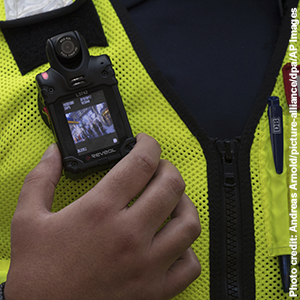 A new OSHA bulletin addresses hazards associated with small, wearable devices powered by lithium batteries, such as body cameras. If these devices are damaged or defective, they may catch fire or explode. Employers should ensure that workers are trained to properly use, store, and charge these devices; identify, remove, and properly dispose of damaged or defective devices and batteries; and provide information on their health and physical hazards.
New FAQs Available on Controlling Silica in General Industry
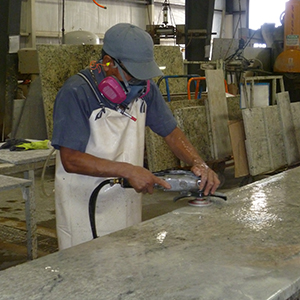 OSHA posted new frequently asked questions (FAQs) on the standard for respirable crystalline silica in general industry. OSHA developed the FAQs in consultation with industry and union stakeholders to provide guidance to employers and workers on the standard's requirements, including exposure assessments, regulated areas, methods of compliance, and communicating silica hazards to workers. Visit OSHA's silica standard for general industry webpage for more information and additional compliance assistance resources.
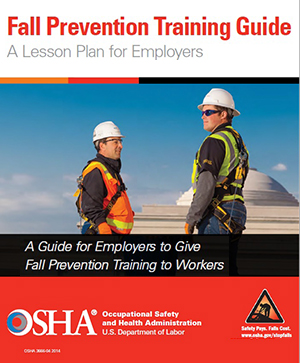
OSHA Provides Compliance Assistance Resources to Protect Workers from Falls
Friday, January 18, 2019

Download the Brochure
Register Online
New Pamphlet on Snow Removal Addresses Worker Safety
 OSHA has a new resource to help employers and workers involved in snow removal operations take precautions and focus on safety. Prior to beginning work, employers should check for worksite hazards, limit roof access for snow removal, train workers on the signs of cold stress, and ensure that powered equipment is used according to the manufacturers' instructions.
OSHA Revises Requirements for Trainers in Outreach Training Program
 OSHA has revised the requirements for authorized trainers in the Outreach Training Program. These revisions include eliminating the 90-day grace period after a trainer card expires, and updating the Trainer Code of Conduct and trainer responsibilities. The program trains workers and supervisors to recognize and prevent safety and health hazards on the job, and to understand workers' rights and employers' responsibilities. The new requirements are effective April 1, 2019.
Thursday, December 20, 2018
Be Prepared to Protect Workers from Winter Weather-Related Hazards
 As outdoor temperatures drop and winter storms approach, employers should take measures to keep their workers safe. OSHA's Winter Weather webpage provides information on protecting workers from hazards while working outside during severe cold and snow storms. This guidance includes information on staying safe while clearing snow from walkways and rooftops.
OSHA Proposes Revised Beryllium Standard for General Industry
 OSHA issued a proposed rule on Dec. 10 to revise the beryllium standard for general industry. The proposed changes are designed to clarify the safety standard and improve compliance. The proposed rule would amend selected paragraphs of the standard, and also replace Appendix A, Operations for Establishing Beryllium Work Areas. Comments on the proposed rule must be submitted by Feb. 9, 2019. For more information, read the news release.
OSHA Announces National Safety Stand-Down to Prevent Falls May 6-10, 2019
 Employers and workers are invited to participate in the fourth annual National Safety Stand-Down to Prevent Falls in Construction, May 6-10, 2019. The weeklong outreach event encourages employers and workers to pause during the workday to discuss fall hazards and how to prevent them. Falls are the leading cause of death in the construction industry, accounting for 37 percent of fatalities industry-wide. For resources on fall prevention visit OSHA's webpage.
Subscribe to:
Posts (Atom)